
PR—019Museum shop

Franz Marc Museum — Shop-Edition
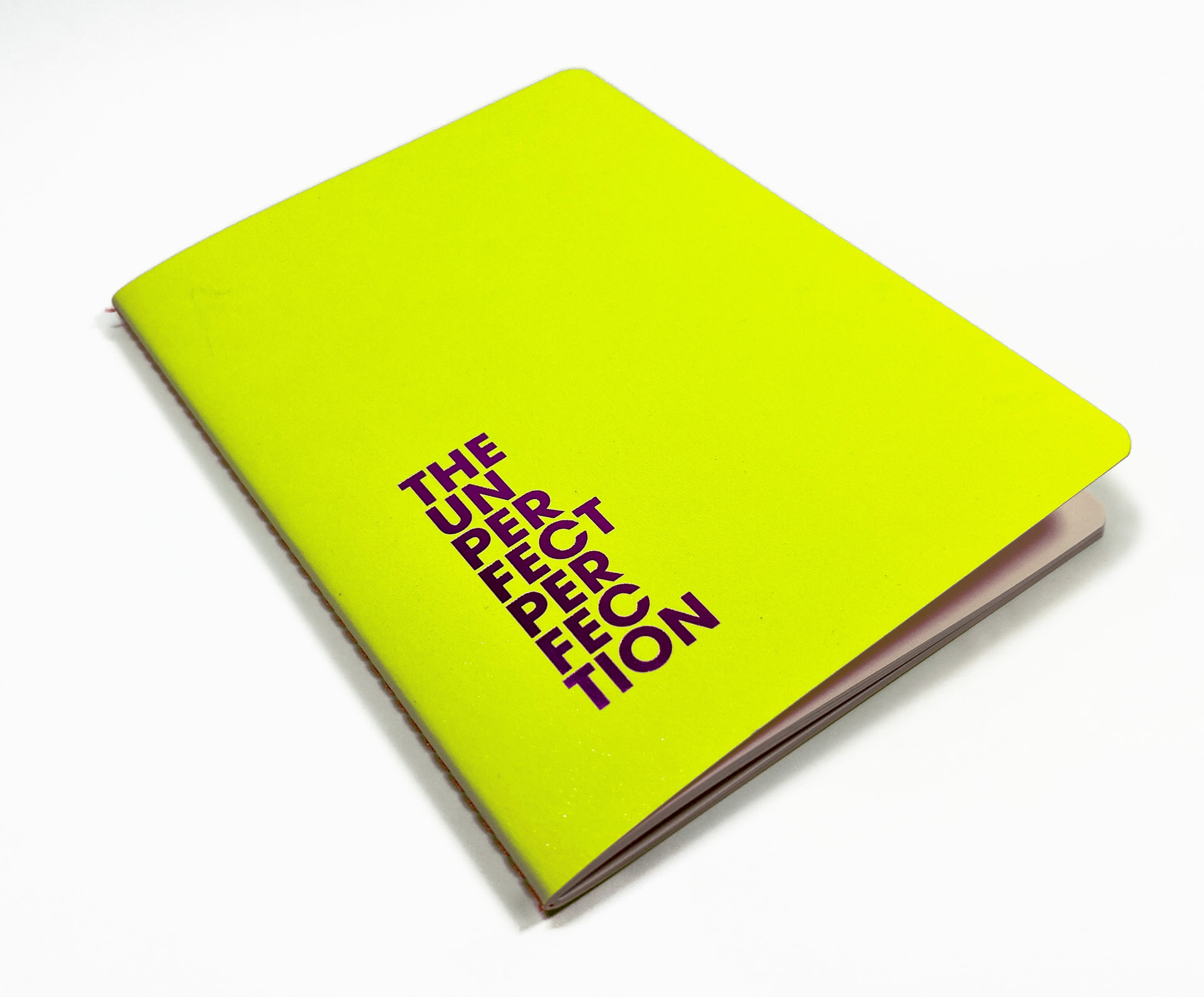
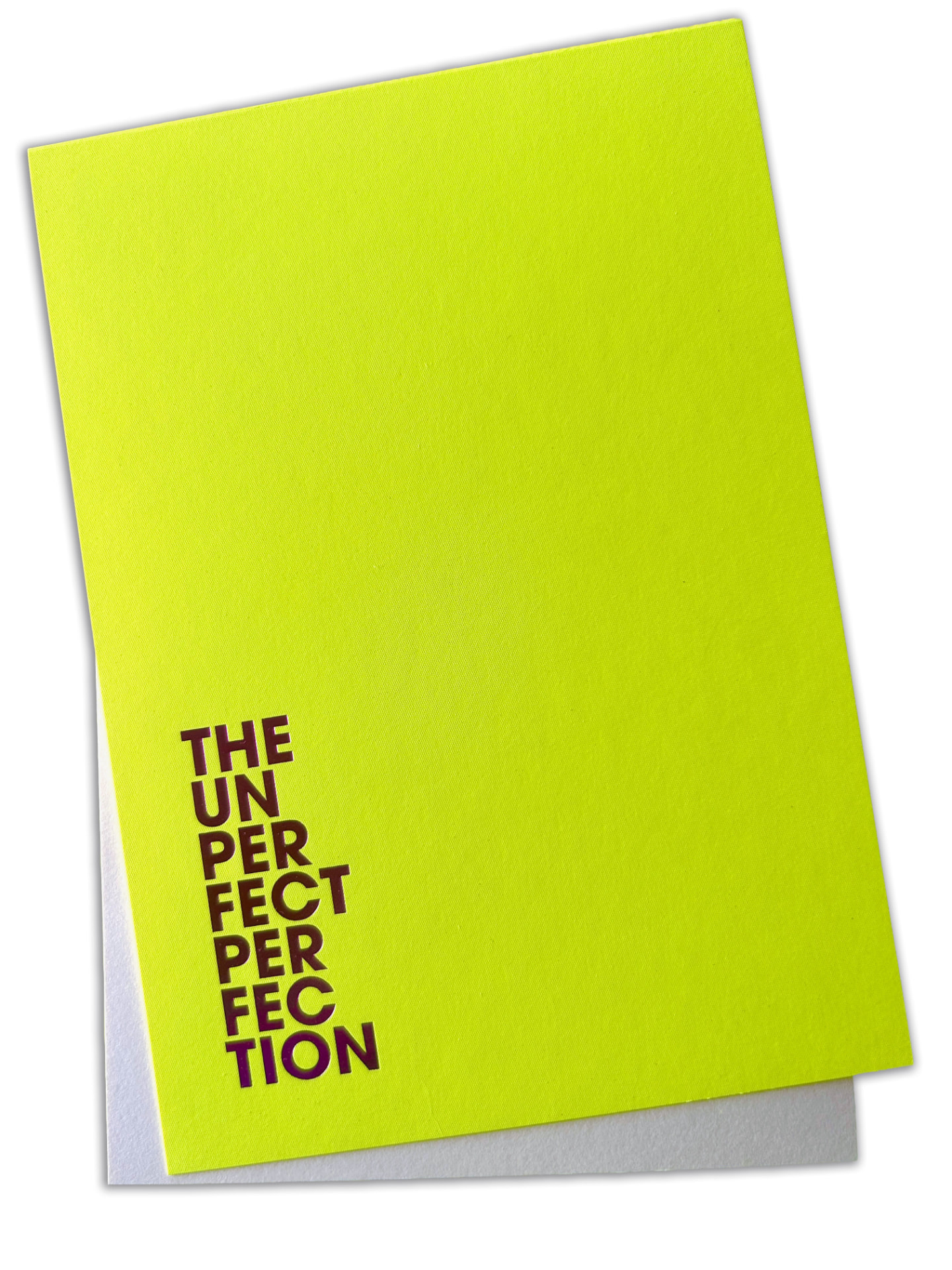
Three Papierretter products for the Franz Marc Museum shop in Kochel — a booklet, a pad and a set of pads with coloured edges.
View Franz Marc Museum — Shop-Edition →■ Mission N° 01 — Rescue
We save surplus paper from print shops from being recycled and turn it into pads, booklets and notebooks — in limited editions, made in Germany and Austria, every batch an original.

01 — Our mission
German print shops hold tonnes of sheets, mostly in 70 × 100 cm format — leftovers from completed jobs, misprints, sample sheets. Too little for the next run and otherwise destined for paper recycling. We take on this surplus paper from print shops and print on it instead of having new paper made — see printing with surplus paper.
In most cases the print shop processes the paper on site itself: the leftovers become print products in limited editions, with colour and paper varying from batch to batch. Only rarely do we transport the paper ourselves. Surplus paper partnership for print shops that would like to pass on surplus paper.
All three sides benefit: the paper stays in circulation, the print shop gets a job that would not otherwise have existed, and the result is a product made from paper that already exists.
Papierretter has so far saved 12.4 tonnes of paper from recycling, resulting in 10,378 copies in limited editions. The surplus paper comes from currently 15 partner print shops. The paper is used in the form in which it already exists.

“Form follows material — the paper decides what it becomes.”
— Workshop note
02 — Shop
Limited editions made from rescued paper. Numbered, every piece an original per batch — while stocks last.
03 — Impact
No new paper is produced for rescued paper. And because the sheet is used in the form in which it already exists, it does not need to be recycled first either.
Paper recycling makes sense. Where an existing sheet can be used directly, its form is preserved.
04 — Stock
A rolling extract from our material database — live from stock. On request we produce special editions from it for studios, publishers and brands.
Live from papier.papierretter.com · curated selection
05 — Manifesto
Sometimes a few sheets, sometimes whole pallets — every batch arrives from the print shop exactly as it was left over. Colour, grammage, quantity: all chance of production, none of it repeatable.
01 — Material firstWe do not design on paper. We design with the paper that happens to be there.
02 — Think Global, Act LocalThe paper stays where it is. The print shop where it is left over processes it itself — short distances, usually no additional transport — and a stronger local partner.
03 — FiniteOnce a batch is gone, it is gone. That is not scarcity marketing, it is the reality of the material — and that is exactly what makes every piece irreplaceable.
06 — Projects
[ 01 ] [ 02 ] [ 03 ] — every edition new, every batch an original. Availability depends on paper stock.
Three Papierretter products for the Franz Marc Museum shop in Kochel — a booklet, a pad and a set of pads with coloured edges.
View Franz Marc Museum — Shop-Edition →
Pads and cards made from rescued paper for onboarding and brand communications at the architecture practice D TF L R.
View D TF L R →
Notepads inspired by Japanese track cycling
Nine covers in bold colours, each with a large race number — behind them, the same pad made from 120 g Gmund Colors matt 71.
View KEIRIN — 9 Cover, 1 Block →
‘Augenwege’ — a photography exhibition by Stefan Rosenboom at Waitzinger Keller Miesbach, in collaboration with Papierretter. Images created slowly, on foot, always outdoors.
View Augenwege — Ausstellung Stefan Rosenboom →
The lockstitch principle from PR—014 became an art project: the cover has a pearlescent shimmer, the statement is printed in gold — ‘Luxus braucht Sklaverei’ (‘Luxury needs slavery’).
View Luxus braucht Sklaverei →
A4 sample sheets and old stationery became booklets with lockstitch binding — inside pages Risograph-printed in two colours with hearts instead of dots, covers with cherry embossing.
View Lockstitch booklets & Hearted →06b — Tools
Create risograph templates online: halftones, gradients and ready-made colour separations as print files. Free, without login, right in the browser — for designers, printers and everyone who works with paper.
Create a risograph template: set the halftone screen and download it as colour separations, PNG, SVG or GIF.
Open →RisographyBuild gradients and download a greyscale separation per riso colour as a print template.
Open →PrintHow many ups fit on the sheet? Live preview, grain direction check and AI imposition scheme as SVG/PDF.
Open →PrintConvert images into true black-and-white halftones — Bayer, line screen, Floyd–Steinberg, newsprint screen.
Open →BrandingUpload a logo → favicons, app icons, social formats and HTML snippet as a ZIP.
Open →ImageBreak a photo into a grid and reassemble it — dither, halftone, ASCII, glitch.
Open →07 — Partner
We work with print shops, bookbinders and studios that see paper leftovers not as recycling material but as raw material for the next idea.
 Druckerei Vogl ↗
 Der Gilch ↗
 Buchbinderei Henrich ↗
 Wiesendanger Medien ↗
 F&W Druck- und Mediencenter ↗
 Nagl Papierverarbeitung ↗
 Stindl Druck & Verlag ↗
 Gmund Papier ↗
 Stainer ↗
 Druckerei Pockrandt ↗
 Die Offset ↗
 The Happy Club ↗
 Herr & Frau Rio ↗
 Werkstatt Dietz ↗
 Ortmaier Druck GmbH ↗
More logos to follow
08 — Contact
Questions about papers, samples, orders or a project? We usually reply within 1–2 working days.
hallo@papierretter.com · Contact page · B2B enquiry
09 — FAQ
Papierretter is a company from Riegsee near Munich that rescues surplus paper from the printing industry and turns it into products, services and collaborations.
Instead of going into the paper recycling, Papierretter takes on the surplus paper of currently 15 partner print shops and turns it into limited notebooks, pads and other products.
So far we have rescued 12.4 tonnes of paper – flawless, unprinted leftovers from print shops that would otherwise have gone into paper recycling. Recycling works well, but this paper is simply too good to recycle.
No new paper is produced for rescued paper. And because the sheet is used in the form in which it already exists, it does not need to be recycled first either.
Risography is a stencil printing method using vegetable-oil-based inks. It prints without heat – this saves energy and is particularly suited to uncoated papers. Strong colours and a slightly grainy texture are typical. We print risography at the open riso studio The Happy Club; a network of partner print shops adds all other paper printing methods – from screen printing and letterpress to offset.
Yes. Print shops can offer their surplus paper through the surplus paper partnership — all steps are described on the page for print shops. To the surplus paper partnership